



When it comes to search engine optimization (SEO), we often think about keywords, content, and backlinks. But there's a hidden layer that’s just as crucial: technical SEO. Think of it as the foundation of a house—if it’s not solid, everything built on top is at risk. Technical SEO ensures your website is set up for success by making it easier for search engines to crawl, index, and understand your content.
Overview of Technical SEO
Before diving into the nuts and bolts, let’s start with a simple question: What exactly is technical SEO?
Technical SEO refers to the process of optimizing your website's infrastructure, so search engines can easily crawl and index your pages. It’s like giving your website a tune-up, ensuring everything runs smoothly behind the scenes. While content and backlinks are the stars of the show, technical SEO is the stage crew making sure the spotlight is on them.
Why Is Technical SEO So Important?
Technical SEO forms the foundation for any modern content visibility strategy. But as AI-powered search grows, understanding AEO vs SEO becomes just as important as fixing crawl errors or improving Core Web Vitals — brands that combine technical fundamentals with answer engine optimization signals are best positioned across both result types.
You might wonder why technical SEO is worth your attention when there’s already so much to juggle in your SEO strategy. The answer is simple: without it, even the best content can struggle to rank. Imagine having a beautifully written blog post, but because your site’s speed is slow or your URLs are a mess, search engines can’t find or understand it properly, impacting your search engine visibility. All that hard work could go unnoticed due to technical SEO issues like slow page speed, server response time, and unoptimized image sizes.
Technical SEO ensures your website is accessible, fast, and understandable—both to users and search engines. By improving these factors, like compressing file sizes, optimizing internal links, and fixing the duplicate content issue, you’re laying down a smooth path for search engine algorithms to follow, which in turn can boost your rankings and visibility in search results. This also ensures a positive user experience by providing a seamless user experience and meeting user intent.
The higher your website ranks, the more visitors it attracts, leading to increased click-through rates, user engagement, and conversion rates. These are key ranking factors for improving your online presence and link equity.
Before diving into technical SEO, let us first see how search engines operate and how they handle crawl budgets, search queries, and the need for logical hierarchy in content organization.
How Do Search Engines Work?
Think of search engines as digital librarians. They crawl the web, index content, and return relevant results based on user queries. These search algorithms are designed to assess a wide range of factors on your site, from its structure to its content and even off-page SEO elements like backlinks. Ensuring that your site is well-structured and optimized for loading speed, PageSpeed Insights, and clickable elements helps search engines understand and rank your content effectively for organic search.
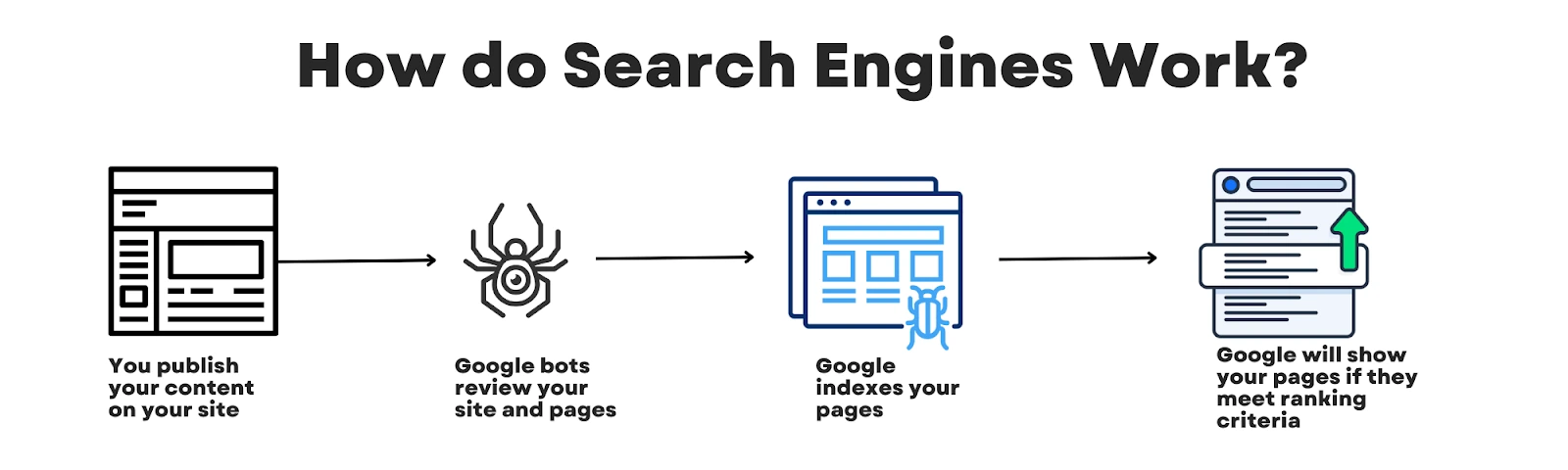
Google’s main objective is to deliver the most relevant results to its users, so your primary goal in SEO is to ensure that your content quality aligns with what users are searching for. Content marketing should focus on creating valuable content that provides a seamless user experience, including the secure version of your site, to avoid poor user experience. This leads us directly to the crucial aspect of content SEO, where you ensure that the structure of your content serves as a roadmap for search engines, helping them navigate and rank your content based on user intent.
Content Creation
Creating high-quality content is the foundation of any successful SEO strategy. Your content should not only be valuable but also optimized for content SEO, ensuring it aligns with search algorithms. This means your content marketing efforts should focus on providing a secure version of your site, as well as ensuring clickable elements are user-friendly and accessible.
It’s important to create content that covers a wide range of topics relevant to your audience’s needs while still focusing on image compression and PageSpeed Insights to maintain optimal loading speed. By doing so, you’ll avoid a poor user experience and guarantee optimal performance for both search engines and users.

By focusing on content that truly resonates with users, you naturally position your site as a valuable resource. But how do you ensure that your content reaches the right people?
This is where Keyword Research comes into play, alongside a well-planned roadmap for search engines to follow.
Keyword Research
Keyword research is not just a content activity — it directly informs technical SEO decisions like site architecture and internal linking priorities. The Ahrefs keyword explorer is one of the most reliable tools for understanding search demand, keyword difficulty, and SERP features before making structural decisions about your site.
As you plan your content, it’s essential to understand what your audience is searching for. Keyword research helps you identify the specific terms and phrases that potential visitors are using to find information related to your industry or niche.

Tools like Google Keyword Planner and SEMrush can help you uncover high-traffic keywords that align with your content goals. By integrating these keywords naturally into your content, you increase the likelihood that your site will appear in search results when users query those terms.
With your keywords in hand, the next step is to optimize your content and pages for those terms, which brings us to On-Page Optimization.
On-Page Optimization
On-page optimization is about ensuring that your individual web pages are fine-tuned for both search engines and users. This involves incorporating your targeted keywords into key elements of your page, such as the title tag, meta descriptions, headers, and within the content itself.
Additionally, optimizing images with alt text and maintaining a clear, user-friendly structure helps search engines better understand the relevance of your content. Well-optimized pages not only rank better but also provide a seamless experience for your visitors.
However, content and on-page elements are just part of the equation. The technical aspects of your site also play a critical role, leading us to Technical SEO.
Technical SEO
Technical SEO addresses the behind-the-scenes elements of your website that impact its performance and visibility. This includes ensuring your site loads quickly, is mobile-friendly, and uses secure connections (HTTPS).
Additionally, technical SEO involves setting up structured data so that search engines can easily crawl and index your site. These factors are crucial because even the best content can struggle to rank if your site’s technical foundation is weak.
While your site is now technically sound and your content optimized, another key factor is establishing your site’s authority through Link building.
Link Building
Link building is about earning backlinks from other reputable websites. These links act as endorsements, signaling to search engines that your content is valuable and trustworthy.
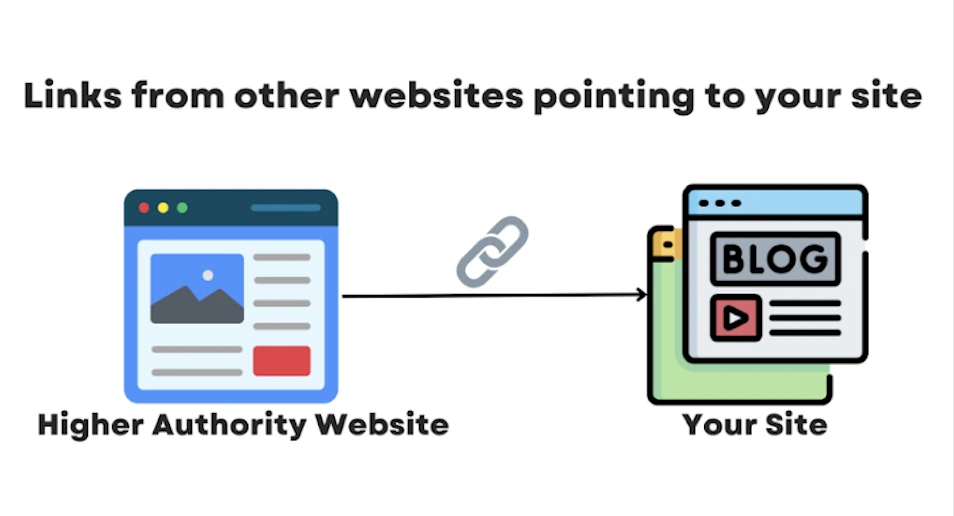
The more high-quality links you have pointing to your site, the more likely it is to rank well in search results. Effective link-building strategies include guest blogging, reaching out to influencers, and creating shareable content that naturally attracts links.
But optimizing your site and building links isn’t enough if users don’t have a good experience on your site. That’s where User Experience (UX) comes in.
User Experience (UX)
A positive user experience is essential for both retaining visitors and improving your search rankings. A well-designed site with fast loading times, easy navigation, and mobile responsiveness will not only keep visitors engaged but also signal to search engines that your site is worth promoting.
A site that delivers a great user experience reduces bounce rates and increases the likelihood that visitors will stay longer and explore more pages.
Finally, to ensure all your efforts are paying off, you need to engage in Analytics and Monitoring.
Analytics and Monitoring
SEO is an ongoing process, and continuous monitoring is essential to track the effectiveness of your efforts. Tools like Google Analytics and Google Search Console provide insights into your site’s traffic, rankings, and user behavior. By analyzing these metrics, you can identify what’s working and where improvements are needed.
This data-driven approach allows you to refine your strategies over time, ensuring sustained success in your SEO efforts.
For DevTool and SaaS companies specifically, this monitoring layer increasingly overlaps with GTM tooling: the same technical engagement signals, docs visits, CLI activity, that improve your SEO reporting are also what buyer-intelligence and community platforms use to flag high-intent accounts. Getting your technical SEO right makes that content discoverable in the first place.
Let us now look at some key components and goals of technical SEO.
Key Components and Goals of Technical SEO
Technical SEO is all about optimizing the behind-the-scenes aspects of your website.
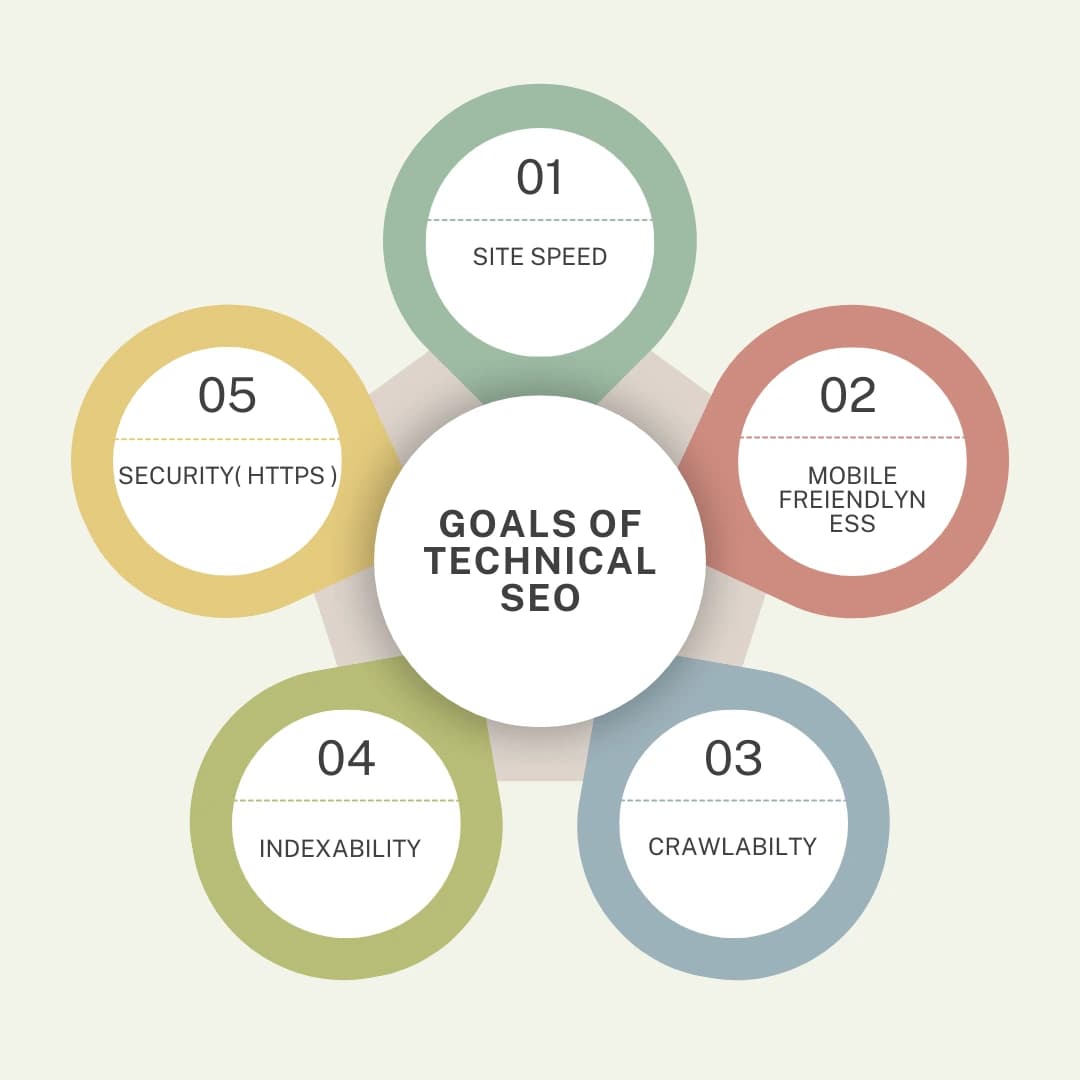
Here’s a quick rundown:
- Site Speed: Faster loading times enhance user experience and improve search rankings.
- Mobile-Friendliness: Ensure your site looks and works well on mobile devices, catering to the growing number of mobile users.
- Crawlability: Make it easy for search engines to discover your content using clean URLs, a logical structure, and an XML sitemap.
- Indexability: Ensure your pages are accessible and properly indexed by avoiding blocks like robots.txt and using canonical tags wisely.
- Structured Data: Use schema markup to help search engines understand your content and boost your visibility with rich snippets.
- Security (HTTPS): Secure your site with HTTPS to build trust with both users and search engines.
In a nutshell, technical SEO is all about optimizing the elements that most users never see but are crucial for your website’s success. Whether it’s improving site speed, ensuring mobile-friendliness, or securing your site with HTTPS, each step in technical SEO serves to make your website more accessible and attractive to both search engines and users.
Next up, we'll delve into the technical SEO, from structuring your website for better search engine guidance to optimizing crawling and indexing for peak performance. We'll cover everything you need to ensure your site is well-positioned for success.
Website Architecture and Crawling
Importance of a Well-Structured Website
A well-structured website is the backbone of effective SEO. Think of it as the blueprint that guides both users and search engines through your content. When your website's architecture is clear and logical, search engines can easily understand your site’s layout, which boosts your chances of ranking higher.
Best practices? Keep your URLs clean, create a clear hierarchy with your pages, and make sure important content is easily accessible within a few clicks.
Ensuring Efficient Crawling and Indexing
For your site to rank, search engines need to crawl and index your pages first. This process is like search engines exploring your website and filing away what they find.
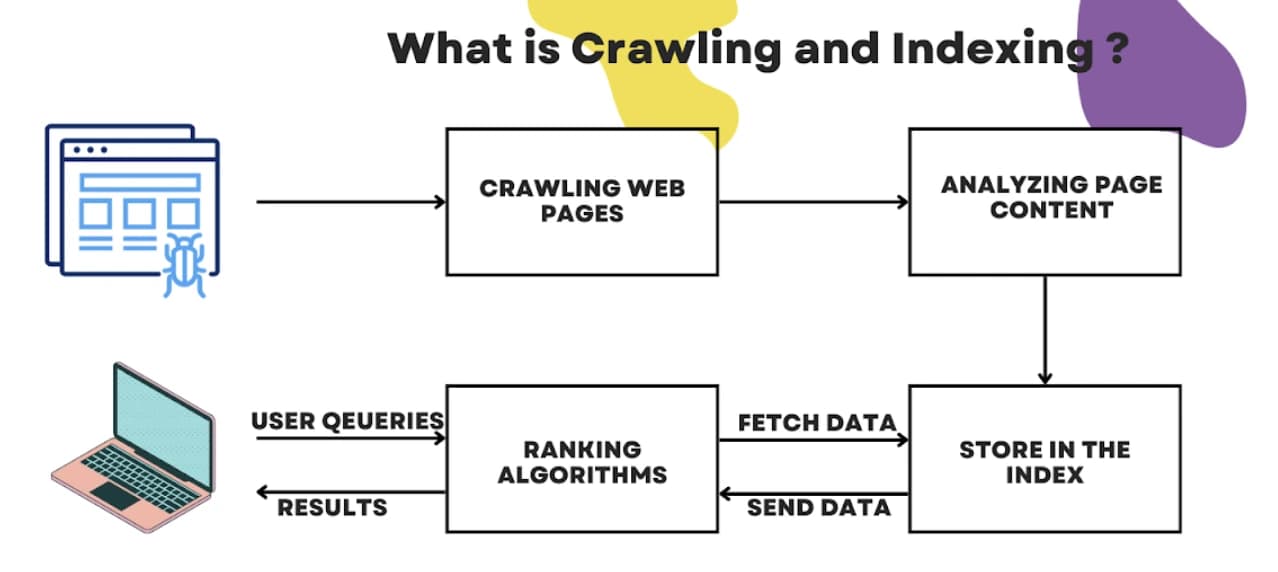
To make this as smooth as possible, tools like robots.txt and XML sitemaps come into play. They help guide crawlers to the important parts of your site and away from irrelevant sections.
And don’t forget about the crawl budget—this is the number of pages search engines will crawl in a given time. Optimizing this budget means ensuring your most important pages are the ones getting indexed.
Let us now see how your website’s speed and performance play a pivotal role in both user satisfaction and search engine optimization.
Website Speed and Performance
Impact of Page Load Speed on SEO
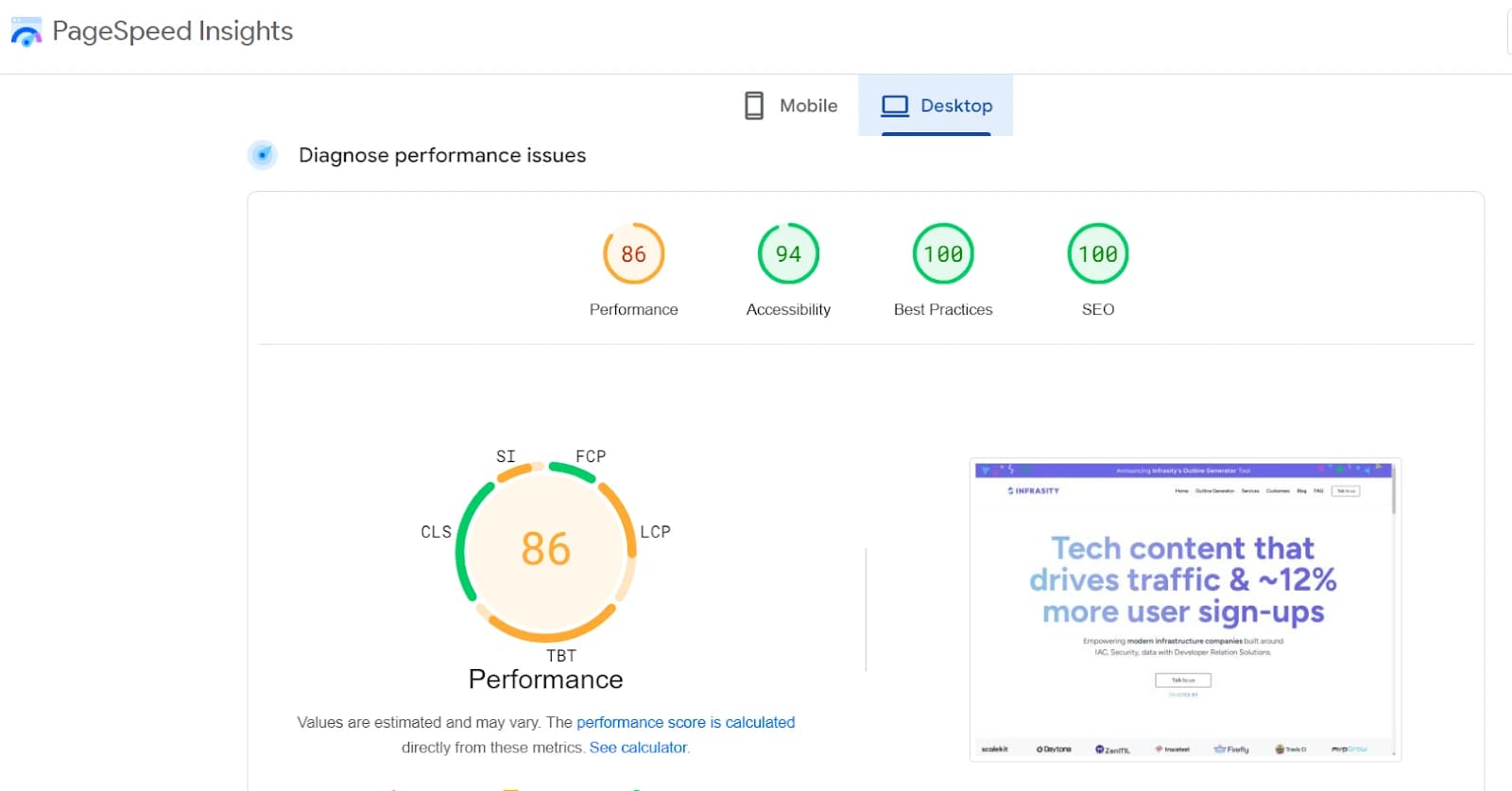
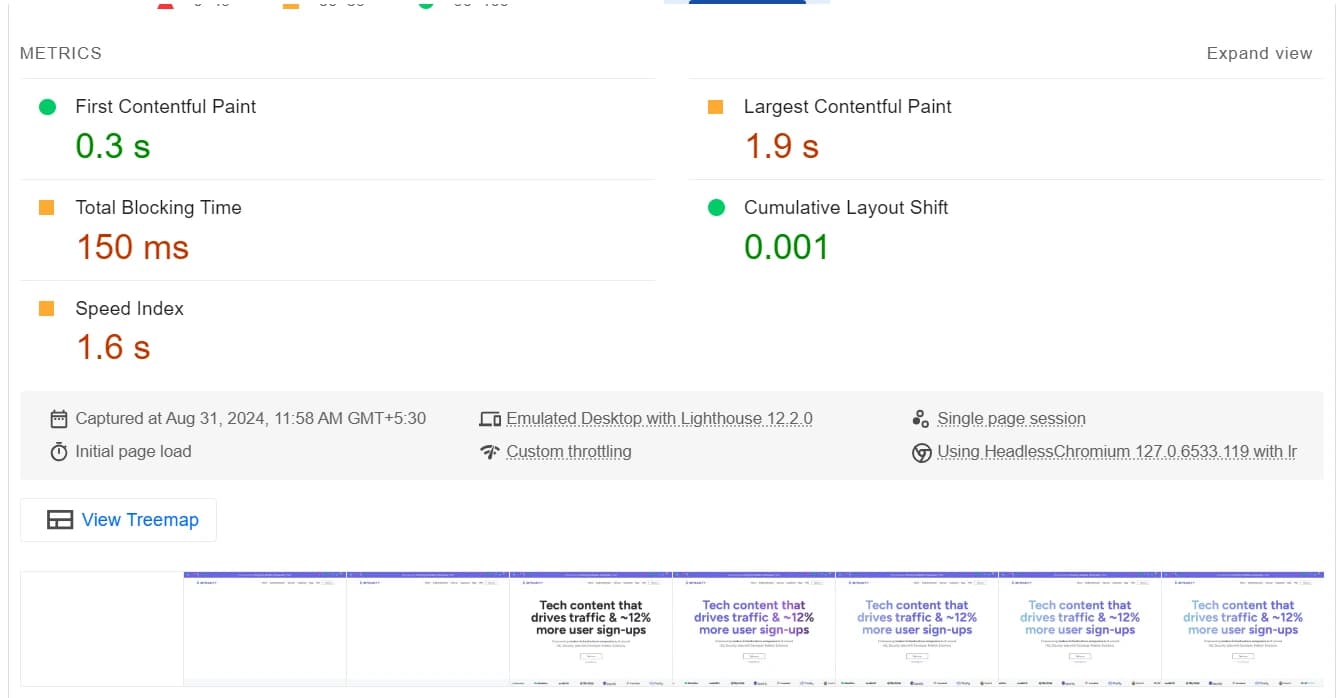
Page load speed is more than just a technical detail—it’s a critical factor for both user experience and SEO rankings. A slow website frustrates users, leading them to bounce, and search engines take note. Faster sites are rewarded with better rankings because they offer a smoother, more engaging experience.
To keep your site up to speed, tools like Google PageSpeed Insights and Lighthouse are your best friends. They not only measure your page speed but also provide actionable insights to help you improve.
Optimizing Website Performance
Boosting your site’s performance is all about making smart, efficient tweaks. Start by optimizing images—compress them without sacrificing quality and use lazy loading to ensure they load only when needed. Browser caching can also work wonders by storing static files locally, so your site loads faster on repeat visits.
Don’t forget to minify CSS, JavaScript, and HTML files; this reduces their size, allowing your pages to load quickly. All these techniques combined will significantly reduce page load times and enhance your site’s overall performance.
Mobile Optimization
The Rise of Mobile-First Indexing
With the majority of web traffic coming from mobile devices, Google now prioritizes mobile-first indexing, meaning it primarily uses the mobile version of your site for ranking and indexing. Ensuring your site is mobile-friendly isn’t just a good idea—it’s essential. Make sure that the mobile version of your site is optimized as the preferred version for indexing.
To stay ahead, ensure your content is accessible and loads quickly on all devices with a design that adapts seamlessly to different screen sizes.
Responsive Design and Mobile Usability
Responsive design is the cornerstone of a mobile-friendly site. It ensures your website looks and works great on any device, whether it’s a smartphone, tablet, or desktop. Follow best practices like flexible grids, scalable images, and media queries to create a truly responsive site. Regularly test your mobile usability using tools like Google’s Mobile-Friendly Test, and fix any common issues like touch elements being too close together or content overflowing the screen. These steps will enhance the mobile experience and keep your site performing well in mobile-first indexing.
HTTPS and Website Security
Importance of Secure Websites
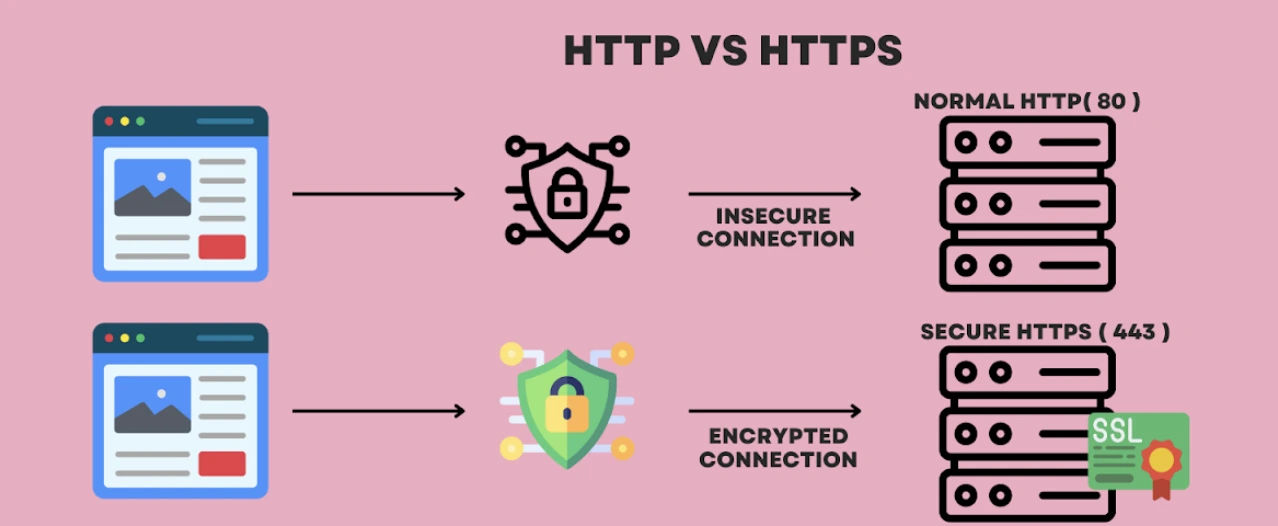
In today’s online environment, security isn’t optional—it’s a must. HTTPS is critical for SEO because it not only protects user data but also boosts your site’s credibility and rankings. Google favors secure websites, so migrating from HTTP to HTTPS can give you an SEO edge.
Ensure a smooth transition by carefully planning the migration to avoid any ranking drops, including setting up proper redirects and updating internal links.
Protecting Your Website from Security Threats
Security issues like malware, hacking, and data breaches can seriously harm your SEO efforts, leading to lost traffic and even search engine penalties.
To safeguard your site, follow best practices like regularly updating your software, using strong passwords, and implementing security plugins or firewalls. Keeping your website secure not only protects your users but also helps maintain your hard-earned SEO rankings.
XML Sitemaps and URL Structure
Importance of an XML Sitemap
Think of an XML sitemap as a GPS for search engines, guiding them straight to all the key spots on your website. It’s a must-have for SEO because it ensures that every important page, even the hidden gems, gets noticed and indexed. Setting up an XML sitemap is a breeze—just use tools like Google Search Console to submit it and keep your site’s content fully on the radar.
SEO-Friendly URL Structure
Your URL is like a first impression—clean and clear makes all the difference. A well-structured URL isn’t just user-friendly; it’s also a big win for SEO. By keeping URLs short, descriptive, and packed with relevant keywords, you help search engines easily navigate and rank your site.
It’s a small tweak that can lead to big improvements in how your content shows up in search results.
Canonical Tags and Duplicate Content
Understanding Canonicalization
Canonical tags are like the traffic directors of your website, pointing search engines to the original version of a page when duplicates exist. They’re essential for avoiding the confusion that can come from multiple pages with similar content. Implementing canonical tags is straightforward—just add a simple line of code to your page headers to let search engines know which version should be prioritized. This helps keep your SEO efforts focused and effective.
Managing Duplicate Content
Duplicate content can be a sneaky SEO villain, leading to lower rankings and confused search engines. When multiple pages have the same or very similar content, it dilutes your SEO power. To tackle this, start by using tools to identify duplicate content across your site. Then, strategies like consolidating pages or updating with unique content can be used to resolve the issue. Keeping your content fresh and unique ensures that your SEO stays strong and your site remains competitive.
Structured Data and Schema Markup
Introduction to Structured Data
Structured data is like giving search engines a cheat sheet about your website’s content. Providing a clear, organized format helps search engines understand what your pages are about, enhancing your visibility with rich snippets and other special features. Common types of structured data include rich snippets for reviews and product details that can make your search results stand out.
Implementing Schema Markup
Using schema markup is like giving your SEO a turbo boost. It helps search engines better understand your content, which can lead to more engaging search results. Adding schema markup to your site is simple—just embed a bit of code into your pages. To ensure everything is set up correctly, use tools like Google’s Structured Data Testing Tool to test and validate your structured data. This helps make sure your enhancements are on point and ready to boost your search performance.
Structured data matters just as much for developer-facing content as it does for marketing pages, a well-documented changelog vs release notes page or a CLI docs reference benefits from the same Article and FAQ schema markup discussed here.
Technical SEO Audits
Conducting a Technical SEO Audit
Think of a technical SEO audit as a health check-up for your website. It’s a comprehensive review to ensure everything is running smoothly and efficiently. Start by assessing key areas like site speed, mobile usability, and crawl errors. Use tools like Google Search Console, Screaming Frog, and Seomator to get detailed insights into your website’s performance.
With a clear picture of your site’s strengths and weaknesses, you’ll be better equipped to make data-driven improvements.
Prioritizing and Fixing Issues
Once you’ve spotted the issues, it’s time to prioritize and tackle them. Focus on problems that have the biggest impact on your SEO and user experience. Common culprits include slow load times, broken links, and mobile usability issues. Address these high-impact areas first to see the most significant improvements. Fixing these issues not only boosts your SEO but also enhances your site’s overall performance and user satisfaction.
Common Technical SEO Mistakes
Avoiding SEO Pitfalls
Even seasoned pros can stumble into technical SEO traps that hurt their rankings. Some common mistakes include neglecting mobile optimization, having broken links, or mismanaging redirects. These issues can derail your SEO efforts and frustrate users. To avoid these pitfalls, regularly audit your site and address issues promptly. Keeping an eye on best practices and staying updated with SEO trends can help you sidestep these common errors and keep your site in top shape.
Monitoring and Continuous Improvement
Technical SEO isn’t a one-time fix—it’s an ongoing process. Regular maintenance is crucial to ensure your site continues to perform well and adapt to changes. Use tools like Google Analytics and SEMrush to track your site’s SEO health and performance. Set up alerts for critical issues and review your technical SEO strategy periodically. Continuous improvement helps you stay ahead of potential problems and keeps your site optimized for both users and search engines.
Conclusion
A strong technical SEO foundation is increasingly important not just for traditional rankings, but for emerging forms of content discovery. Answer engine optimization relies on many of the same technical signals — structured data, fast load times, crawlability, and clear content hierarchy — that underpin traditional SEO, making technical excellence a prerequisite for both.
Technical SEO is the backbone of a well-optimized website. By focusing on practices like improving site speed, ensuring mobile-friendliness, and using structured data, you lay a solid foundation for your overall SEO strategy. Remember, integrating technical SEO into your broader approach is crucial for enhancing visibility and performance.
Regular audits and updates are essential to keep your site running smoothly and adapt to evolving SEO standards. Stay proactive, keep up with the latest trends, and continually refine your technical SEO efforts. This ongoing commitment will not only improve your rankings but also provide a better experience for your users.
FAQs
Q: What is technical SEO, and why is it important?
A: Technical SEO involves optimizing your website's infrastructure to make it easier for search engines to crawl and index your site. It's crucial because it lays the groundwork for effective SEO, ensuring your site is accessible, fast, and user-friendly, which ultimately impacts your search rankings.
Q: How often should I perform a technical SEO audit?
A: Ideally, you should conduct a technical SEO audit at least once every 6 to 12 months. Regular audits help identify and fix issues before they affect your search rankings or user experience.
Q: What are some common technical SEO mistakes to avoid?
A: Common mistakes include neglecting mobile optimization, having broken links, and mismanaging redirects. Regularly auditing your site and staying updated with SEO best practices can help you avoid these pitfalls.
Q: How can I stay updated on technical SEO trends?
A: Follow reputable SEO blogs, join industry forums, and attend webinars or conferences. Staying informed will help you keep up with the latest best practices and algorithm changes.
Resources for Further Learning
- Google Search Central Blog: Stay updated with the latest from Google’s own SEO team.
- Moz Blog: Offers comprehensive guides and insights into SEO strategies and trends.
- Ahrefs Blog: Technical SEO audit in 8 steps.
- SEMrush Blog: Features updates and tips on SEO tools and strategies.